

IT & AV Infrastructure Solutions in India
Enterprise-Grade Connectivity, Communication, and Collaboration Systems
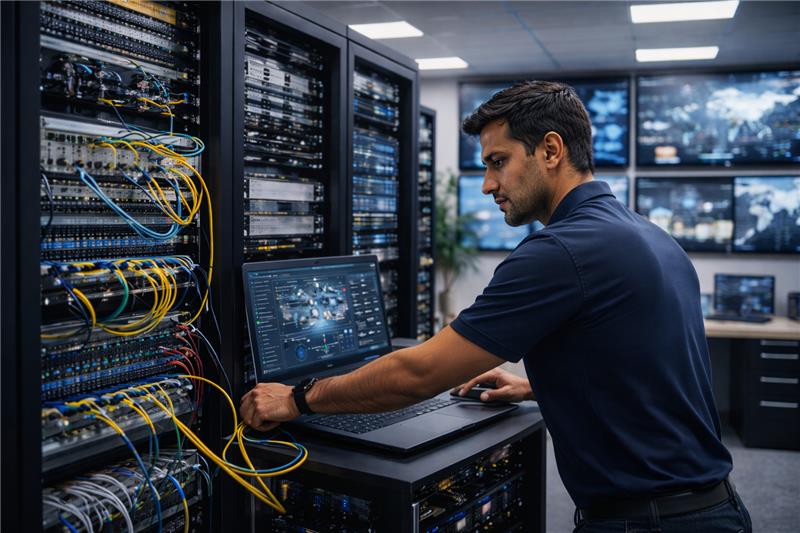
What Is IT & AV Networking
At Dynamic Dimension, we deliver robust IT and AV Networking solutions that form the backbone of modern digital infrastructure. Our systems are designed to support high-performance data, voice, and audio-visual communication across residential, commercial, and enterprise environments.
We specialize in structured cabling, network design, and seamless integration of IT and AV systems—ensuring reliable connectivity, low latency, and scalable performance. Whether it’s enabling AV-over-IP for smart conference rooms or deploying enterprise-grade networks, our solutions are built for efficiency, security, and future expansion.
From planning and installation to configuration and support, we provide end-to-end networking services that empower businesses with seamless communication, enhanced collaboration, and uninterrupted operations.
Our Capabilities
Structured Cabling Systems
Organized and scalable cabling infrastructure for data, voice, and AV networks.
Network Design & Implementation
Customized LAN/WAN solutions tailored for performance, reliability, and growth.
AV over IP Solutions
Integration of audio-visual systems over network infrastructure for flexible and scalable deployments.
Enterprise Wi-Fi Solutions
High-speed, secure wireless connectivity with optimized coverage and performance.
Switching & Routing Solutions
Advanced network hardware configuration for efficient data flow and traffic management.
Network Security Integration
Firewalls, VLANs, and access control systems to protect your network infrastructure.
Centralized Network Management
Monitoring and control of network performance through unified dashboards.
End-to-End Deployment & Support
Complete lifecycle services from design to maintenance and upgrades.
What We Deliver
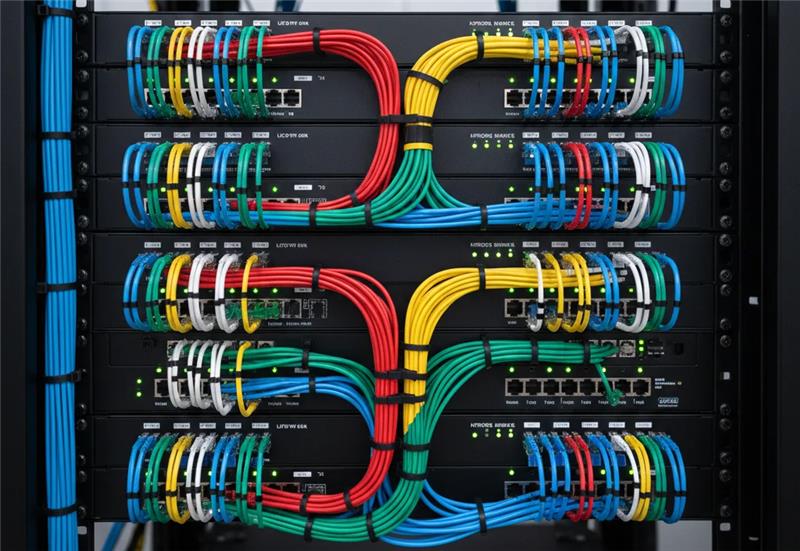
Structured Cabling Systems
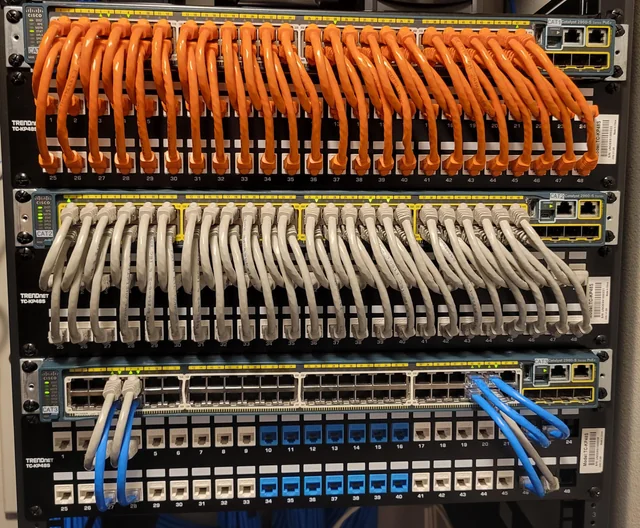
Network Design & Implementation
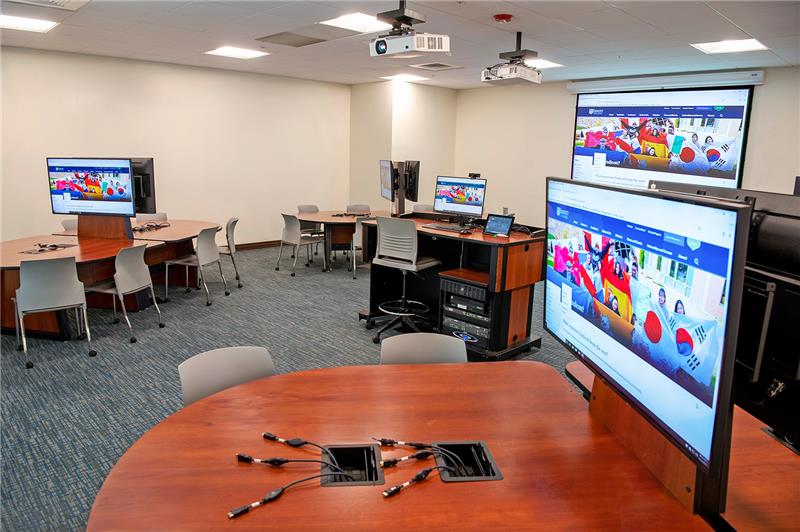
AV over IP Solutions
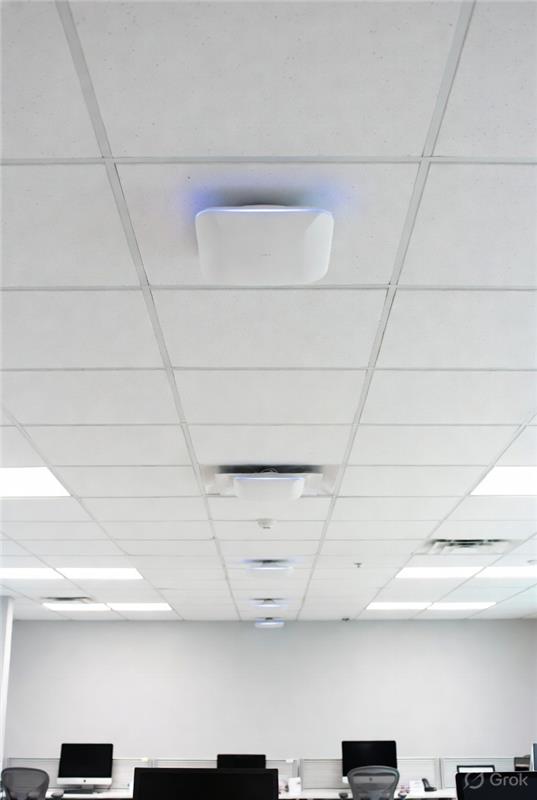
Enterprise Wi-Fi Solutions
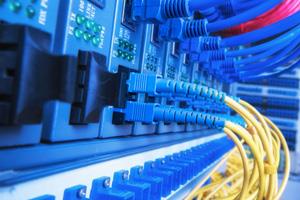
Switching & Routing Solutions
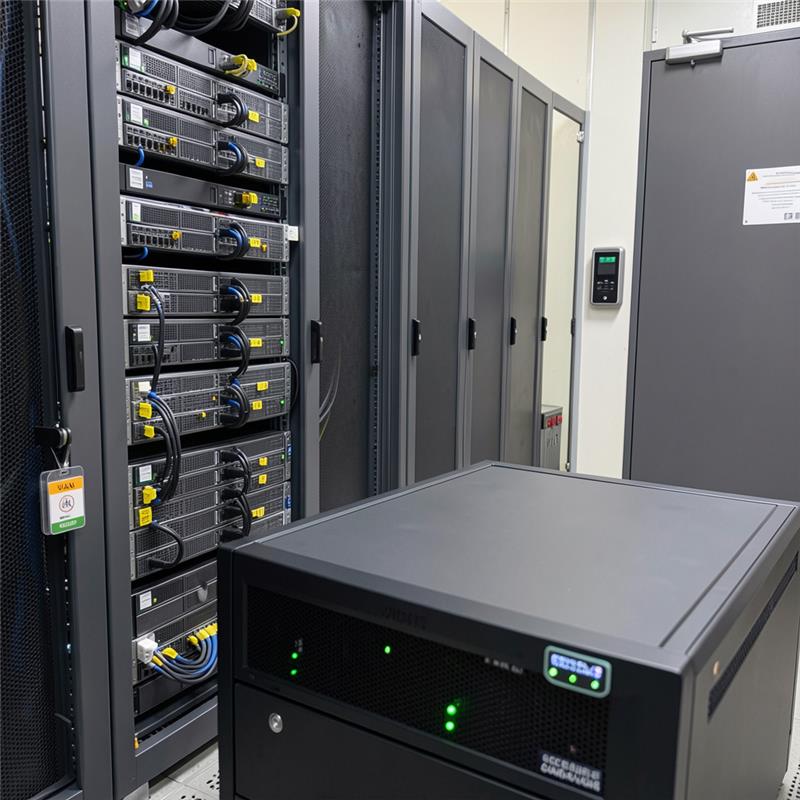
Network Security Integration
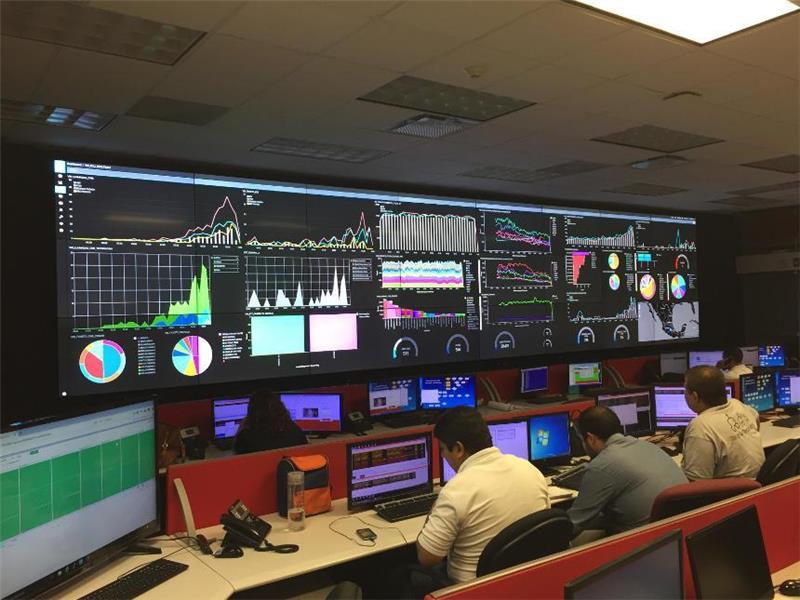
Centralized Network Management

End-to-End Deployment & Support
Scalable Architecture
Vendor-Neutral
Centralized Management
Cloud or On-Premise
Automation Impact Scenarios
Scenario 1: Corporate Office
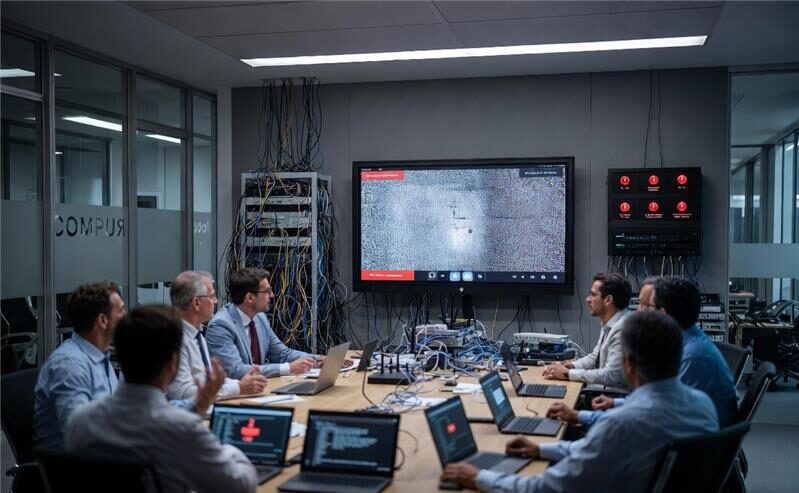
Before State
- Unstable network connectivity
- Poor video conferencing performance
- Disconnected AV and IT systems
- Limited network security and monitoring

After State
- High-speed, reliable network infrastructure
- Seamless video conferencing and AV integration
- Unified IT and AV systems
- Secure and monitored network environment
Enhanced
Communication efficiency
Improved
Operational reliability
Scenario 2: Commercial Facility / Multi-Floor Building

Before State
- Inconsistent Wi-Fi coverage across floors
- Complex and unorganized cabling systems
- Network congestion and slow performance
- No centralized network control
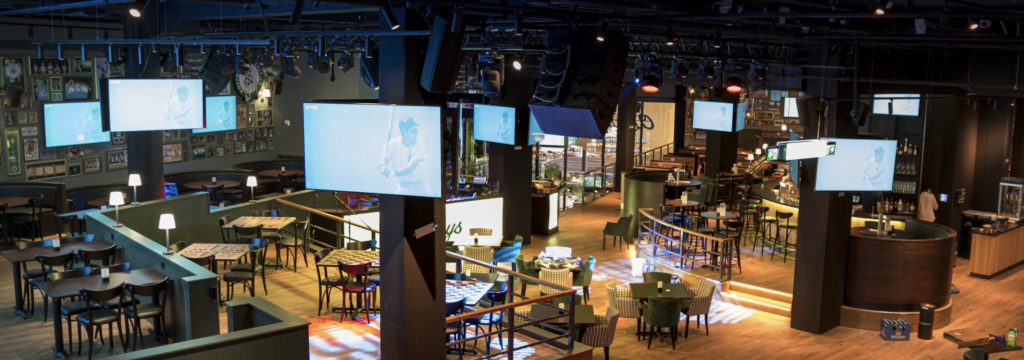
After State
- Seamless enterprise Wi-Fi coverage
- Structured and scalable cabling infrastructure
- Optimized network performance with traffic management
- Centralized monitoring and control systems
Reliable
Network performance
Higher
Infrastructure growth
Industries We Serve
Corporate Offices
Educational Institutions
Hospitality & Commercial Spaces
Retail & Shopping Centers
Healthcare Facilities
Government & Public Infrastructure
Industrial & Manufacturing Units
Banking & Financial Institutions
IT & AV Infrastructure Table
| Facility Type | AV Priority | System Type Usage | Requirement |
|---|---|---|---|
| Office | Connectivity & Collaboration | LAN + AV Integration | Daily Use |
| Retail | Customer Experience | Wi-Fi + Digital Systems | Continuous |
| Auditorium | AV + Network Sync | AV over IP Systems | Event-Based |
| Hospital | Critical Communication | Secure Network Systems | 24/7 |
| Commercial Building | Scalable Infrastructure | Structured Network + Wi-Fi | Continuous |
Our Infrastructure Deployment Process

Infrastructure Assessment
Current systems evaluation and requirements analysis.

System Design
Network architecture and equipment specification.

Professional Installation
Cabling, equipment deployment, and integration.

Configuration & Testing
System setup, optimization, and validation.
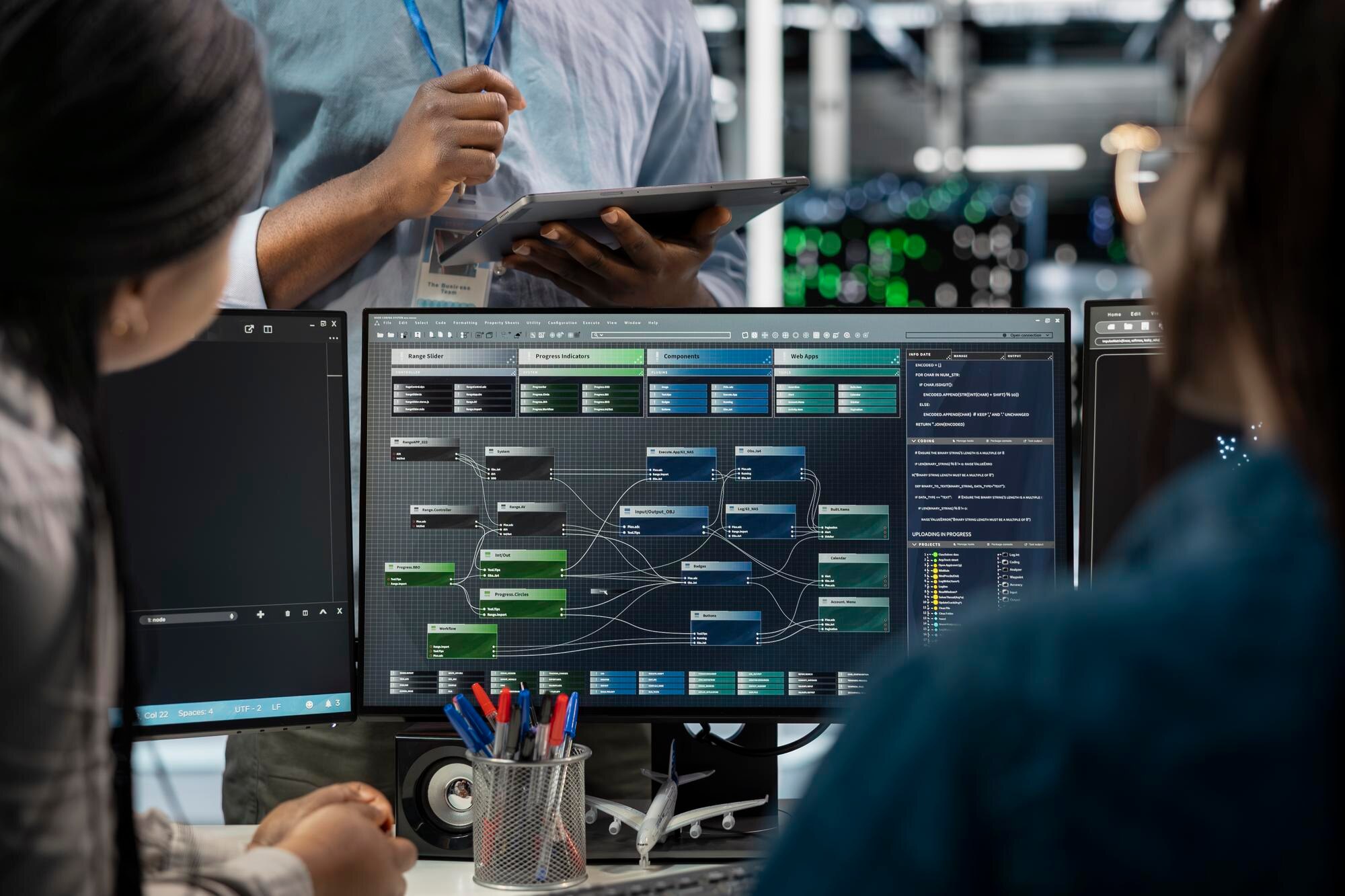
User Training
Operation procedures and best practices.
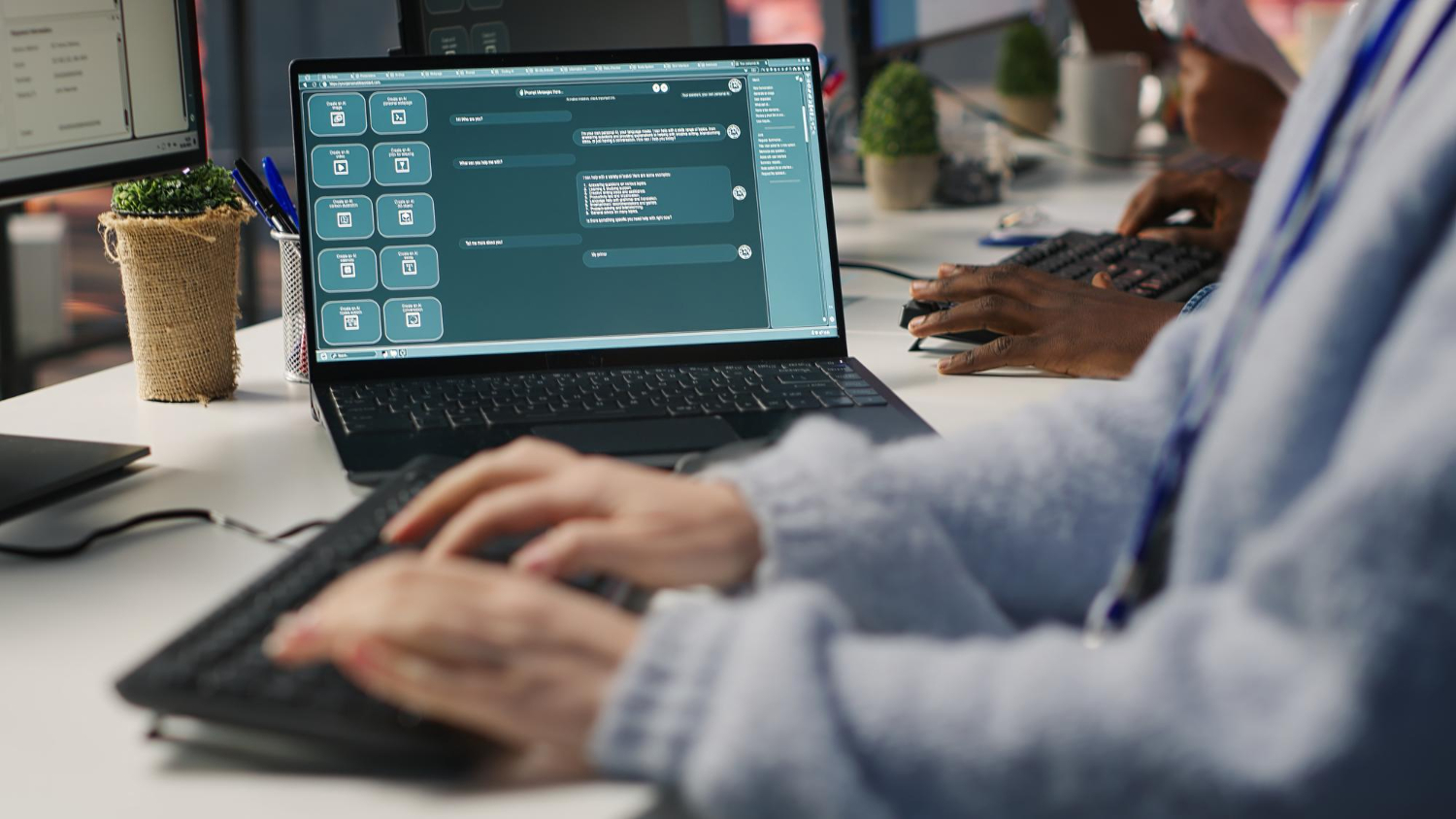
Ongoing Support
Maintenance, monitoring, and updates.
What Sets Us Apart
Why DYNAMIC DIMENSION
- 15+ years of enterprise infrastructure deployment experience
- Complete solution provider: networking, wireless, telephony, and AV
- Professional design standards for performance and reliability
- Vendor-neutral approach aligned with operational requirements
- Scalable architecture supporting incremental growth
- Cloud or on-premise deployment options
- Complete documentation, training, and technical support

15+ Years


We are growing with happy clients

FAQ
Frequently Asked Questions
Structured cabling is an organized infrastructure that supports data, voice, and AV systems through a single unified network backbone. It eliminates messy, unmanaged wiring and makes future upgrades far easier. A well-structured network is the foundation every reliable IT and AV system is built on.
Yes, we design customized LAN and WAN solutions based on your space, user count, and performance needs. The network is built for reliability today and structured to scale as your business grows. Every design decision is driven by your actual operational requirements.
AV over IP allows audio and video signals to be transmitted across a standard network infrastructure instead of dedicated AV cabling. It makes large-scale or multi-room AV deployments more flexible and cost-effective. We assess your existing network and recommend the right integration approach.
Our enterprise Wi-Fi solutions are designed with access point placement, channel planning, and load management in mind. This ensures strong, stable connectivity across every area of your facility. We also configure security protocols to keep the network protected.
We integrate firewalls, VLANs, and access control systems as part of every network deployment. These layers work together to prevent unauthorized access and isolate sensitive traffic. Network security is built in from the design stage, not added as an afterthought.
Yes, our centralized network management service monitors performance, flags issues, and keeps the infrastructure running smoothly. Support continues through the full lifecycle including upgrades and configuration changes. You have one team accountable for the network from day one.